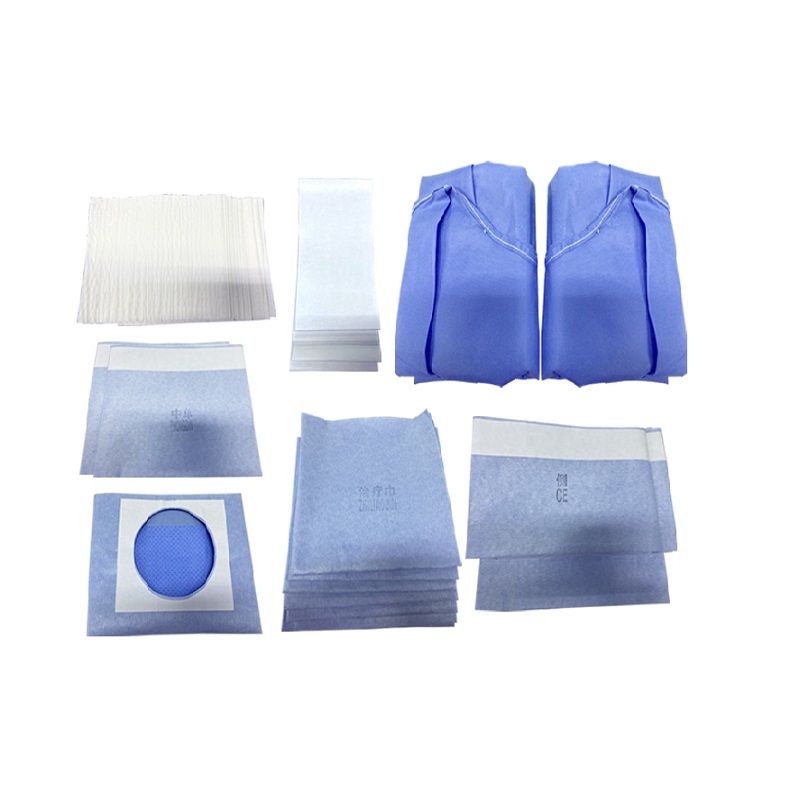
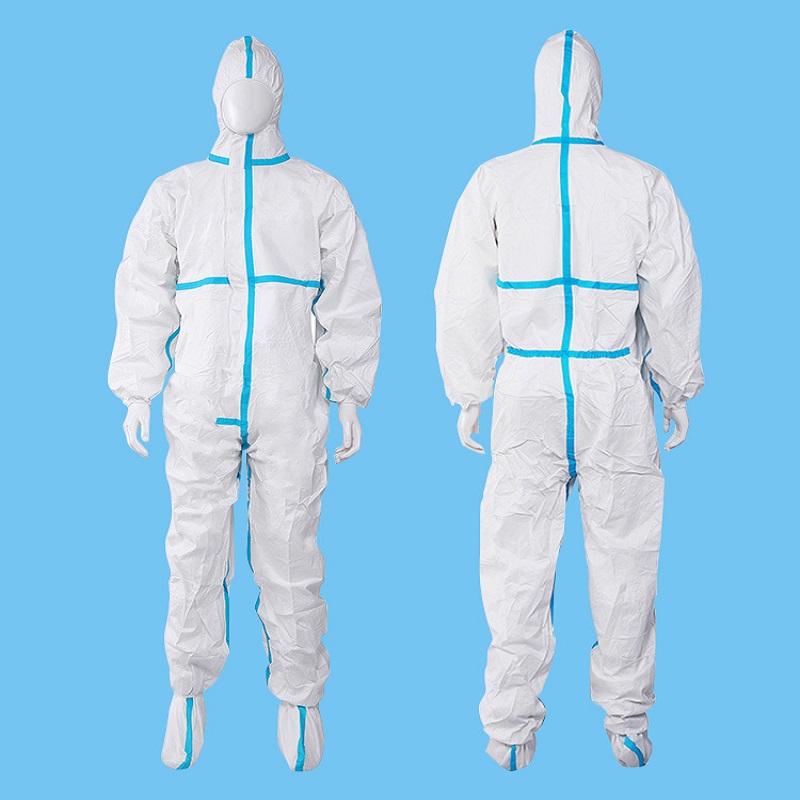
Anhui Monique Medical Material Co., Ltd. Disposable Dental Implant Surgical Pack has become a key reference point in discussions around infection control reliability in modern oral surgery workflows, where sterility assurance and procedural consistency directly shape clinical outcomes.
In recent years, two seemingly unrelated engineering ideas have been frequently discussed in parallel within medical equipment circles: precision "adjustment systems" in mechanical devices (such as external or internal travel adjustment mechanisms) and the strict sterility assurance systems required in single-use surgical environments. While one belongs to mechanical engineering and the other to infection prevention science, both share a common principle—controlled performance under variable conditions.
In dental implant procedures, this control becomes even more critical because the operating field is small, moisture-sensitive, and highly vulnerable to contamination. This is where the design logic behind a Disposable Dental Implant Surgical Pack plays a central role.
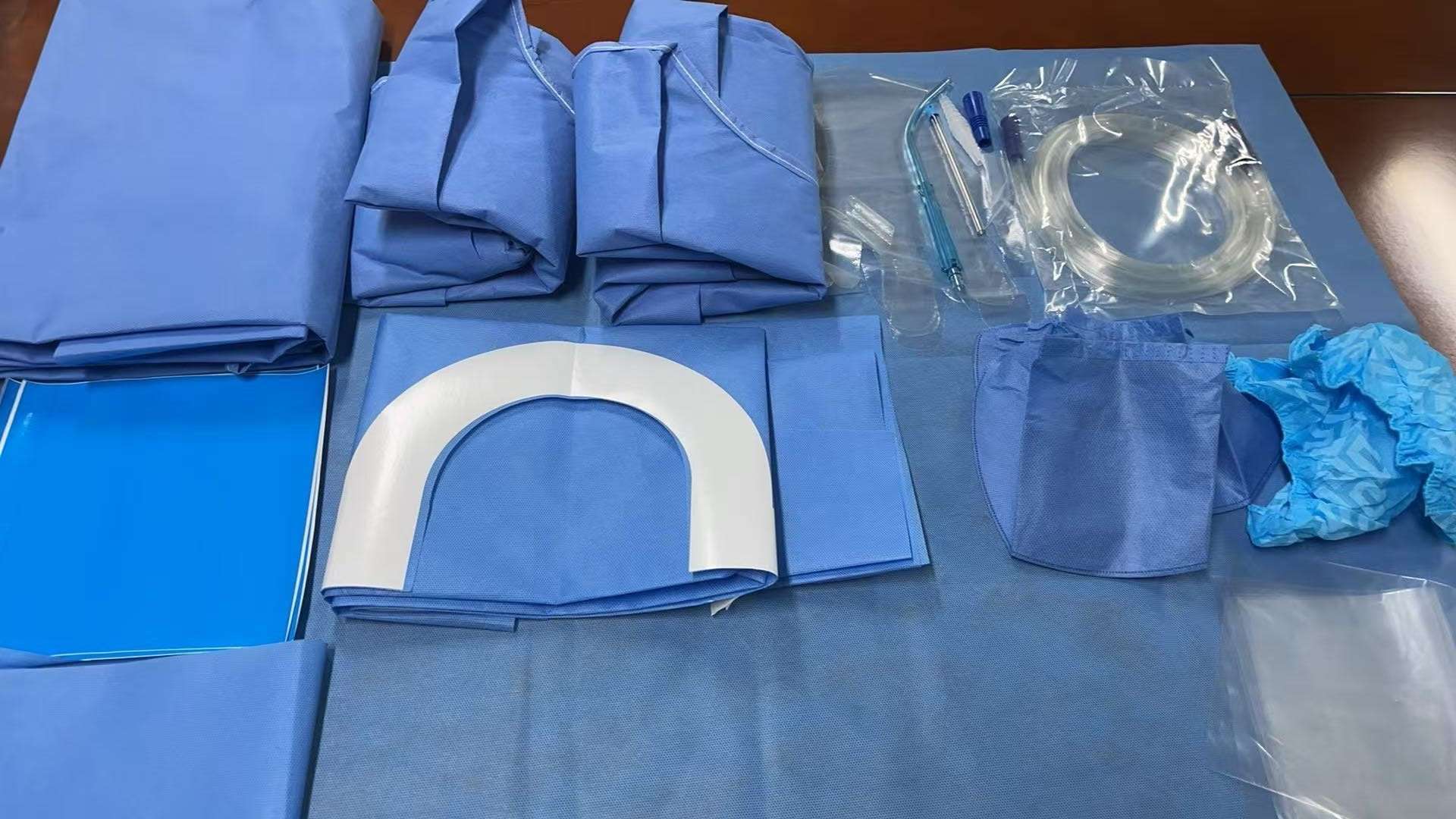
Although a dental surgical environment may seem far removed from mechanical systems like adjustable fork structures, both rely on controlled responsiveness.
In mechanical systems, external or internal adjustment determines how force and travel are regulated. In surgical environments, sterility systems determine how microbial risks are contained and managed. The comparison is not technical equivalence, but conceptual alignment: stability depends on precision control.
In oral implant procedures, even minor contamination can disrupt healing outcomes. Therefore, every component included in a surgical pack must behave predictably under sterilized conditions.
Sterility assurance is not simply about cleanliness—it is about validated control of microbial risk across production, packaging, storage, and clinical opening stages.
A Disposable Dental Implant Surgical Pack is typically designed under strict sterilization protocols such as EO (ethylene oxide) treatment. This ensures that microbial load is reduced to an acceptable sterility assurance level (SAL), commonly 10⁻⁶ in medical-grade contexts.
Key risks addressed by sterility assurance:
- Cross-contamination between patient and environment
- Aerosol exposure during drilling or irrigation
- Contact transfer from instruments and surfaces
- Packaging integrity failure during transport or storage
In dental implant surgeries, the procedure involves bone exposure, irrigation fluids, and extended chair time. Each factor increases infection susceptibility, making sterility assurance a structural requirement rather than an optional safeguard.
A well-designed surgical pack integrates multiple protective and procedural elements into a single sterile field system.
Below is a simplified overview of typical contents:
| Component | Specification | Function |
| Surgeon gown | 130×160 cm | Barrier protection during procedure |
| U-shape adhesive drape | 90×100 cm | Defines sterile working zone |
| Back table cover | 70×100 cm | Protects instrument surface |
| Surgical caps | SMS material | Reduces particle shedding |
| PE gloves | M size | Hand barrier protection |
| Suction tube with connectors | 3 m | Fluid management |
| Patient gown | 130×160 cm | Patient surface protection |
| Overshoes | PP material | Floor contamination control |
| Saliva ejector | 14.5 cm | Oral fluid removal |
| Plastic sleeves | 8×120 cm | Equipment barrier protection |
Each component is not isolated; instead, they function as a coordinated contamination-control system. The effectiveness of a Disposable Dental Implant Surgical Pack depends on how seamlessly these elements interact during a fast-paced clinical workflow.
Modern dental surgical packs commonly use non-woven composite materials such as SMS (Spunbond-Meltblown-Spunbond), PP, and PE laminates.
Why these materials matter:
- SMS layers provide filtration and breathability balance
- PE coatings enhance fluid resistance
- Spunlaced fabrics improve softness and comfort
- Hydrophilic modifications help manage fluid dispersion
These material combinations are engineered to maintain barrier integrity while supporting ergonomic usability during long implant procedures.
One of the often overlooked aspects of surgical pack design is workflow simplification. In oral implant cases, time efficiency directly reduces exposure risks.
A pre-configured Disposable Dental Implant Surgical Pack reduces preparation complexity by integrating all required sterile components into a single system.
Typical workflow improvements include:
- Reduced setup time before surgery begins
- Standardized sterile field layout
- Lower risk of missing essential consumables
- More predictable procedural sequencing
This structured approach allows clinical teams to focus more on procedural accuracy rather than equipment assembly.
To ensure reliability across different clinical environments, surgical packs are commonly evaluated under multiple international frameworks:
- ISO 13485 quality management systems
- EN 13795 performance standards for surgical drapes and gowns
- CE certification for medical device conformity
- EO sterilization validation protocols
- GMP-compliant production environments
These standards collectively ensure that each Disposable Dental Implant Surgical Pack maintains consistent performance regardless of external handling conditions.
Sterile packaging is often underestimated, yet it is one of the most important barriers between controlled production environments and real-world clinical use.
Key packaging considerations include:
- Multi-layer sterile barrier systems
- Peelable sealing integrity
- Moisture and dust resistance
- Label traceability for batch control
- Controlled storage conditions in transit
Even minor packaging compromise can affect sterility assurance, which is why packaging design is treated as part of the infection prevention system rather than a secondary accessory.
Dental implant surgeries typically involve several stages where sterile field stability is essential:
- Initial incision and flap elevation
- Bone drilling and site preparation
- Implant placement
- Irrigation and suction control
- Suturing and closure
At each stage, contamination risk varies, but the need for consistent barrier protection remains constant. It is structured to support all these phases without requiring additional setup changes.
Dental clinics operate under highly variable conditions—different room layouts, patient profiles, and procedure durations. This variability makes standardization particularly valuable.
By integrating multiple sterile components into a single coordinated system, procedural variability is reduced. This does not eliminate clinical judgment but supports it with consistent environmental control.
As dental implant procedures continue to evolve toward higher precision and reduced recovery risk, sterility assurance remains a defining factor in procedural reliability. The structured design of a Disposable Dental Implant Surgical Pack reflects a broader shift in medical practice toward integrated, system-based infection control.
Within this context, Anhui Monique Medical Material Co., Ltd. contributes to the ongoing development of standardized non-woven surgical systems, where materials, packaging, and sterilization processes work together to support safer and more predictable clinical environments.
-